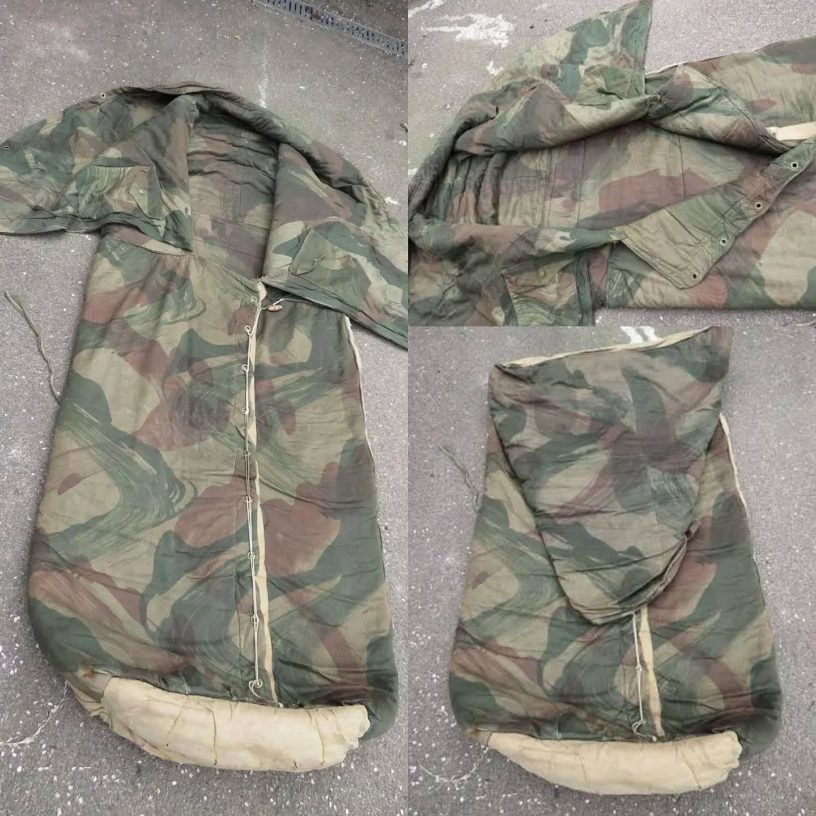
I’ll always remember a video @counting_coup_tactical put up years ago discussing this (seemingly) far over-sized jacket he’d brought home from deployment. One of the most consistent inaccuracies in films is that military aircraft are warm and quiet. While transports these days tend (emphasis) to have pressurised cabins with reasonable temperatures, they are loud as hell inside, and helicopters certainly aren’t either warm or quiet. Hence, it was not uncommon for personnel conducting long moves by helicopter in the middle east to have huge, super heavily insulated jackets that were purely worn during the ride and left on the aircraft upon reaching their ground infil start point.
Air transport in WW2 was also of course loud and, worse, extremely cold. High altitudes and at night to avoid AAA, often for long periods in thin skinned, rattling, draughty airframes produced as quickly and cheaply as possible en masse with comfort of passengers and crew not even making the priority list.
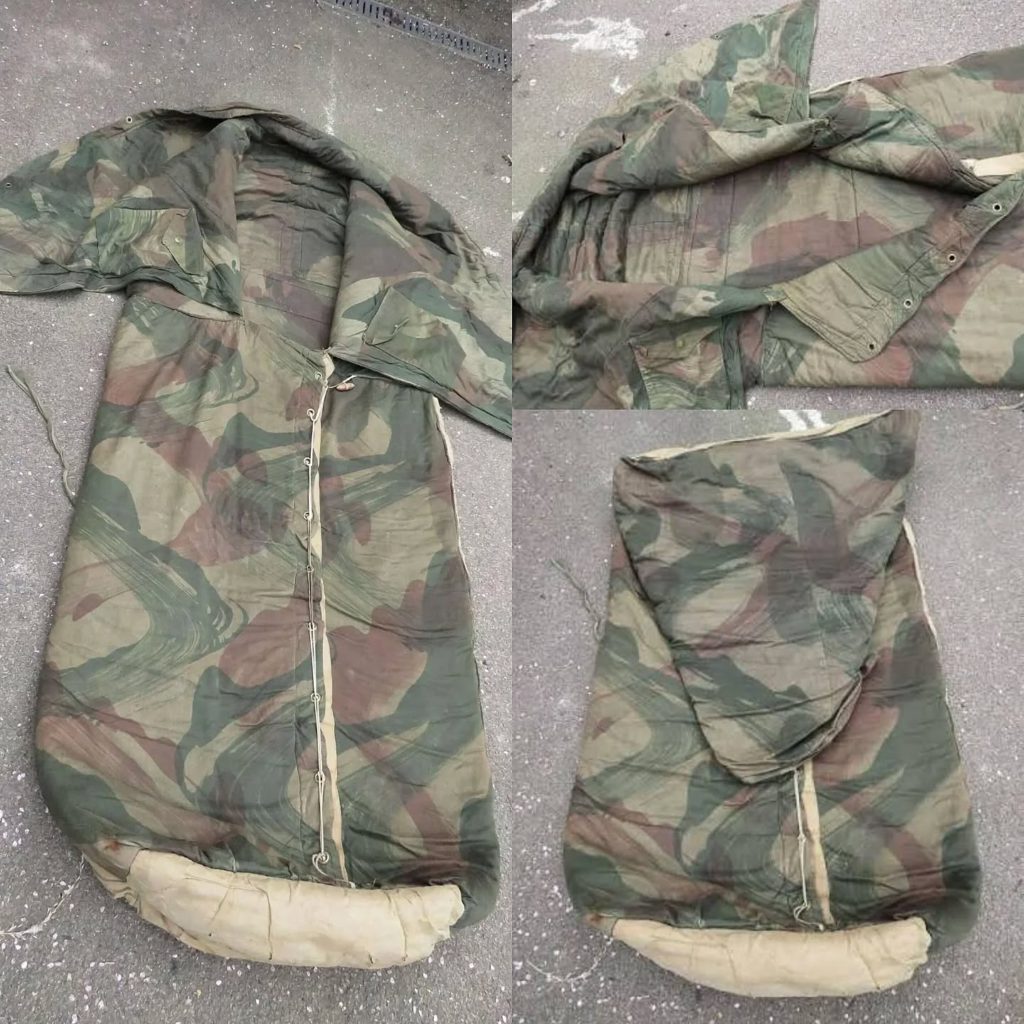
Recently @the_majors_tailor mentioned the phrase “Whitley bag” to me and what I found online was most interesting indeed. These simple sleeping bags filled a similar role to the extra large jackets used by SOF today, being heavy and poorly suited for actually carrying around in a rucksack.
I couldn’t see a reason they were made in original brushstroke camo from my brief search, and I am really not any sort of expert on WW2 equipment, so feel free to search up further info if you so desire. I just wanted to mention this historical example of a cool special ops gear item (in one of my favourite camo patterns) and relate it to the modern equivalents.

Leave a Reply