My previous post on this topic unfortunately comes up quite high in Google results when you search for the Virtus vest, so I thought I had a best provide an update on the issue, since it is a topic of contention amongst troops who spend a lot of time wearing their STVs. The earlier prototype is detailed here for reference on what was tried by comparison what is currently on the cards:
A few pages that usually post comedy content for the lads shared pictures of this along with the link below:
https://www.sourcetacticalgear.net/catalog/vir085ng-stv/
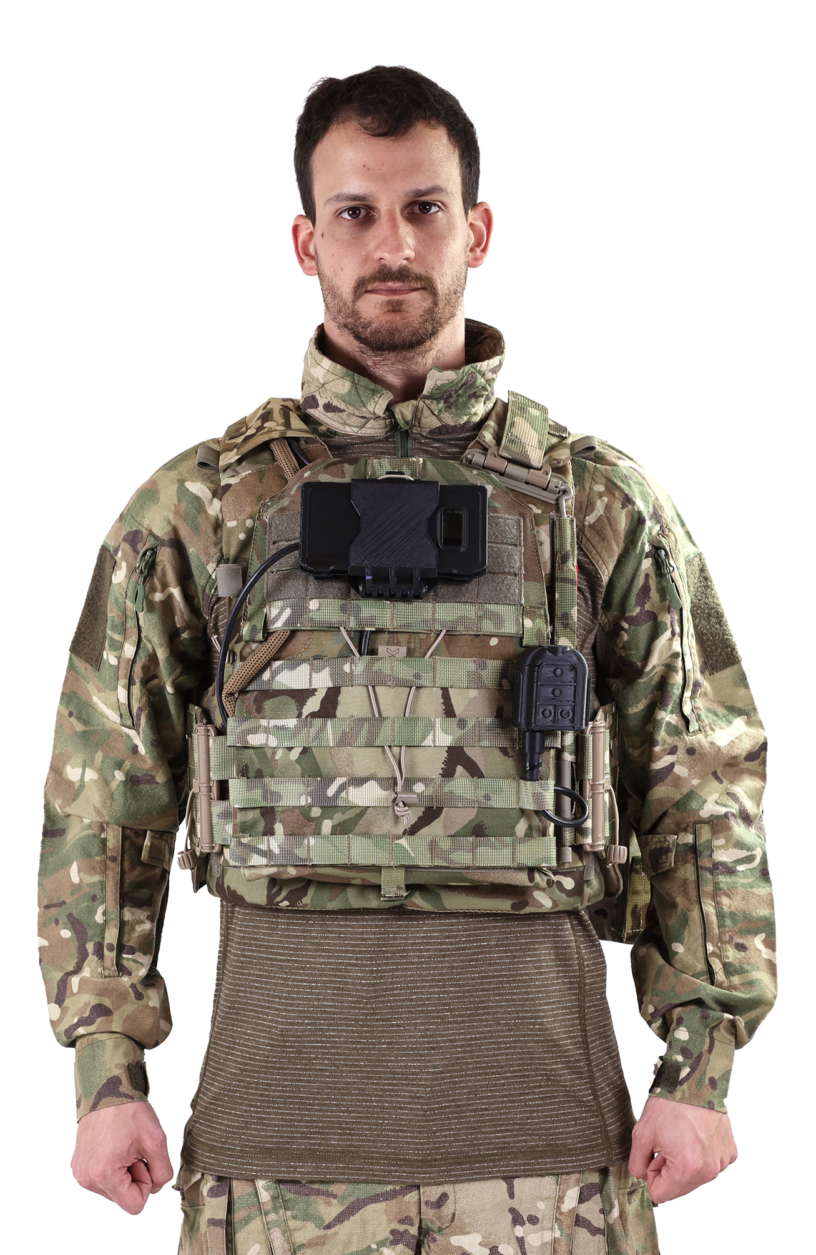
The basic foundation of this new version of the vest hasn’t changed of course, since it certainly seems to be cut to fit the same soft armour and plates as the previous version. End of the day, the armour inside always dictates the basic shape of any nylon carrier.
One immediately visible upgrade however, is that the non-standard 7 columns of PALS from the first version has been replaced, now we see 8 columns with a central stitch line, as per every other popular or common carrier found on the market today. The 2 outer most columns on the abdomen flap are a little oddly shaped, but look wide enough to be usable full columns. There are even 2 small loops next to the bottom corners of the chest loop field which seem ideal for modern placard mounting, though it is not currently clear whether the standard PALS flap is removable to facilitate that.
In the setup video for this iteration of the vest (below), Source Tactical demonstrates various elements of the outer surface of the vest:
- Mounting of the entire new cummerbund assembly
- Donning and doffing the full rig, with or without usage of the velcro strap attached to the emergency shoulder release
- Locations of side plates
- Fitment of battery, radio, hub and EUD mounts/pouches for the complete Dismounted Situational Awareness communication system (which seems to have been renamed to Dismounted Data System from what I see online).
- Zipping on a back panel that covers the DDS battery and hub, but again has its’ own zips, such that an assaulters’ panel or other zip mounted rear pack could be attached on top of the PALS field (TMNT?)
- Mounting a PALS pouch (in this case the radio) inside the rear of the cummerbund
The inside surface is not specifically displayed, but some spacer mesh is visible which I would imagine has been a requested change over the plain, flat nylon interior of the original design. The main MTP cordura and webbing fabrics appear to be similar to other current issued gear.
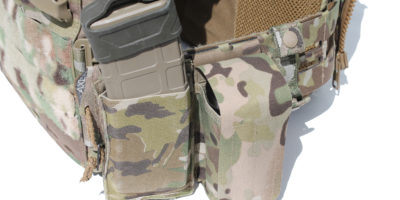
One of the less optimal design elements of the original STV is the cummerbund, or lack thereof. There are two straps of 1″ webbing on each side, which are clipped to the front plate bag with extremely soft and flimsy side-release buckles. Hence natively there is no PALS on the sides of the vest, unlike the Osprey that came before it, which lead to a large after-market in compatible cummerbund products.
I presume the thinking was that the vest would primarily only carry armour and that few, if any, other pouches would be attached for ammo, medical, comms and admin, with the issued webbing doing most of the heavy lifting. That is indeed how many troops setup their kit, but equally many others are in roles where traditional webbing is too bulky (lots of time spent in vehicles for example). Or, they simply prefer the option of spacing out their kit and distributing it as far as possible to spread weight, keep their load carriage low profile and overall optimise access to anything they might need to do their jobs.
In the below video, the cummerbund is shown being swapped from Duraflex ‘Quick Attach Tubes’ (not to be confused with Duraflex Taktic buckles or the original FS Tubes) over to 2M ROC buckles. Based on the spacing of the PALS next to the buckle attachment points, the attachments seem to follow the 1.5-1-1.5″ mount pattern that original FS Tubes utilise, so I believe those should also fit. Not that I’d expect them to be standard issue.
The cummerbund uses a significant amount of thermoplastic stiffener (Probably Curv, maybe Tegris or similar) internally, with 2 sliding struts at the rear making it somewhat similar in function to the structural cummerbund product found on the Spiritus LV-120 or SHAW ARC Carrier – roughly speaking. There is also a wide piece of elastic at the rear to allow for the entire vest to slightly expand and contract circumferentially, adding a bit of flexibility for the wearer.
In the end, this iteration of the vest looks extremely similar to the prototype shown 2 years ago but using a better Tubes alternative and with all traditional sewn webbing used for PALS, instead of utilising the more modern laser cut slots. It is possible that the laser cut method didn’t meet durability requirements, or that this older method is just cheaper to produce. The end result is, I would say, fairly well in step with the current US Army issued IOTV gen 4 and USMC issued Plate Carrier gen 3. Not identical to either by any means, but viewed holistically, on a similar playing field.
While the likes of the Royal Marines and Army Ranger battalion have moved a good number of personnel over to a lot of US style armour and the associated gucci nylon equipment, I’m not aware of any plans for the MoD to replace the current stock of soft fillers and front/back/side plates. Which means Virtus (and Osprey and ECBA) will probably be around for a good while yet for most personnel.
At the time of publishing I have not seen any official announcements about this version of Virtus STV from any MoD affiliated media source.

Leave a Reply